
Shorter settling after index motion
Direct drive removes reducer backlash and elastic lag from belts or couplings, which helps the axis stop cleanly before the next process step.
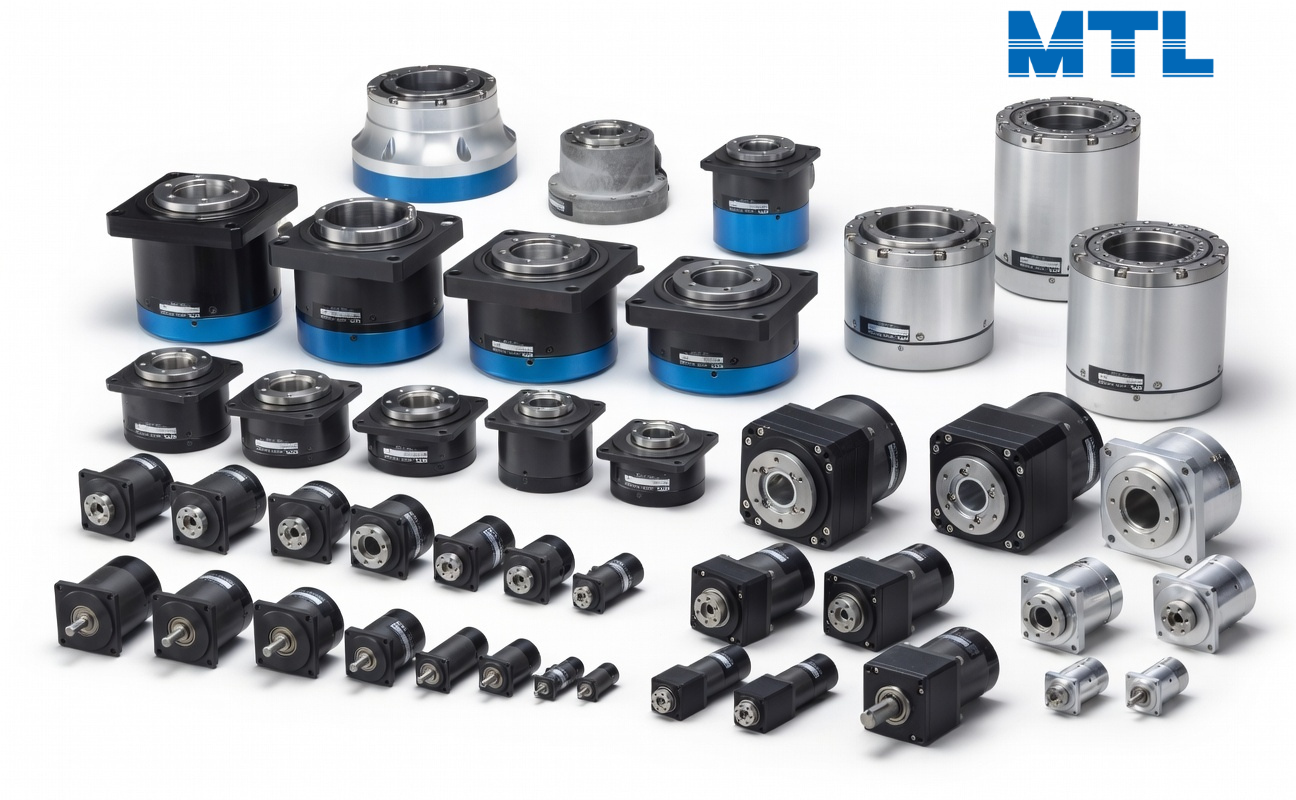
Compact backlash-free direct drive Motor for wafer handling, aligner theta Axis, wafer Index, rotary stage, inspection modules, optics, and vacuum-compatible rotary motion.
Compact direct drive motor families for wide scope of semiconductor equipment such as wafer handling systems, rotary stages, aligners, index tables, inspection equipment, and precision automation.
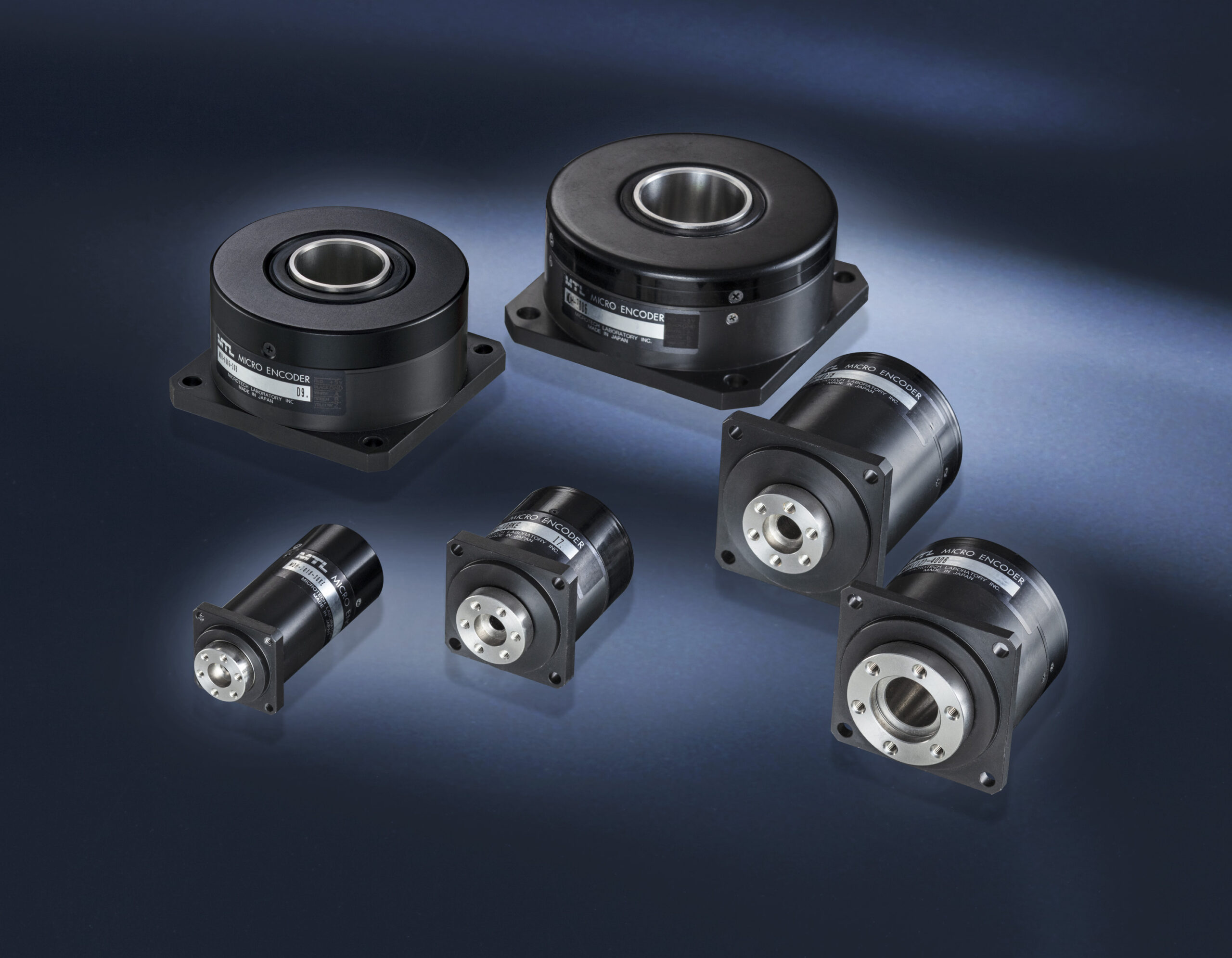
Eliminates reducers and mechanical transmission, enabling faster settling time, improved positioning stability, and simplified system design.
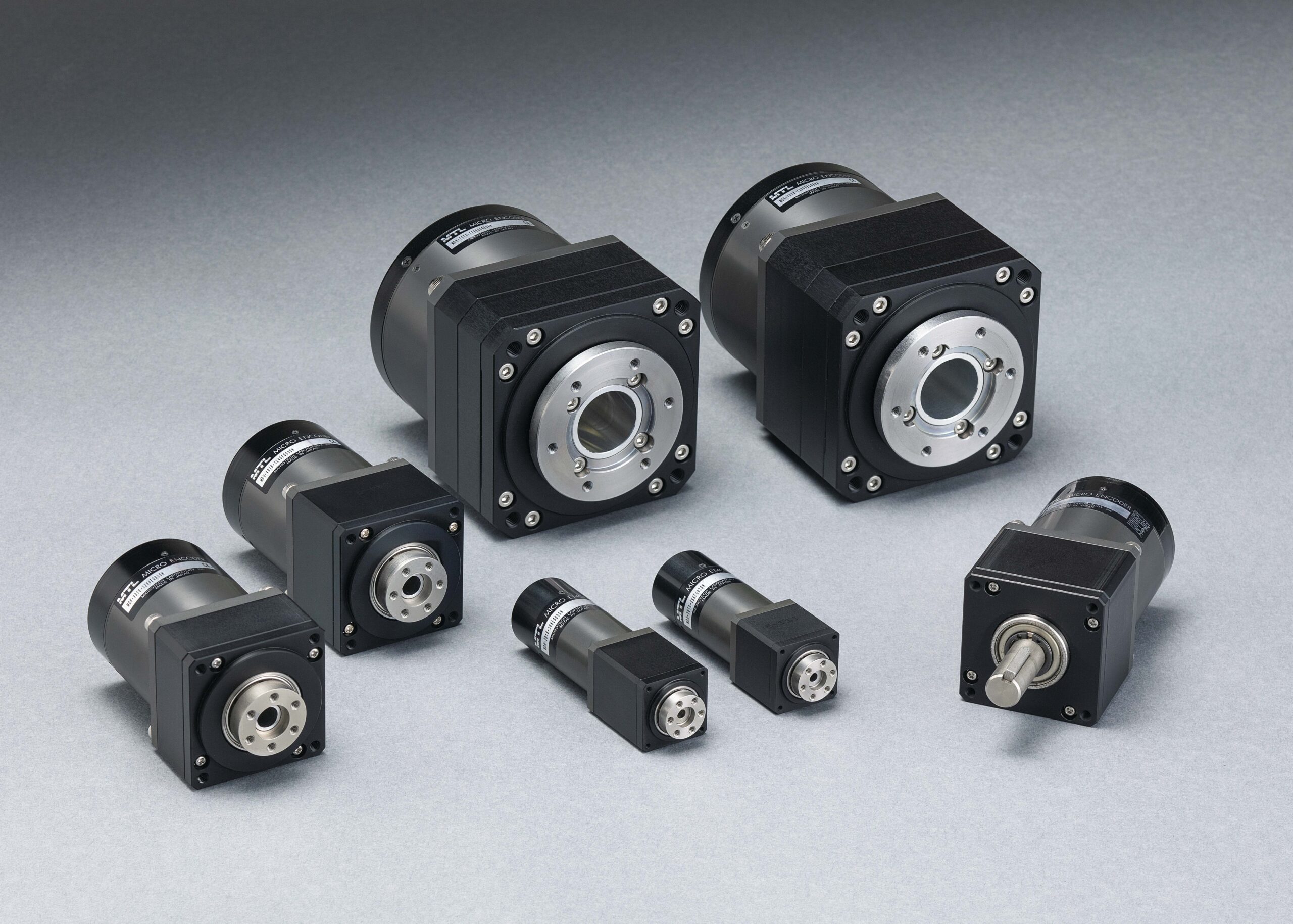
Enables centralized routing through the axis, reducing cable interference, improving reliability, and maintaining compact equipment architecture. Also High precision Encoder integrated.
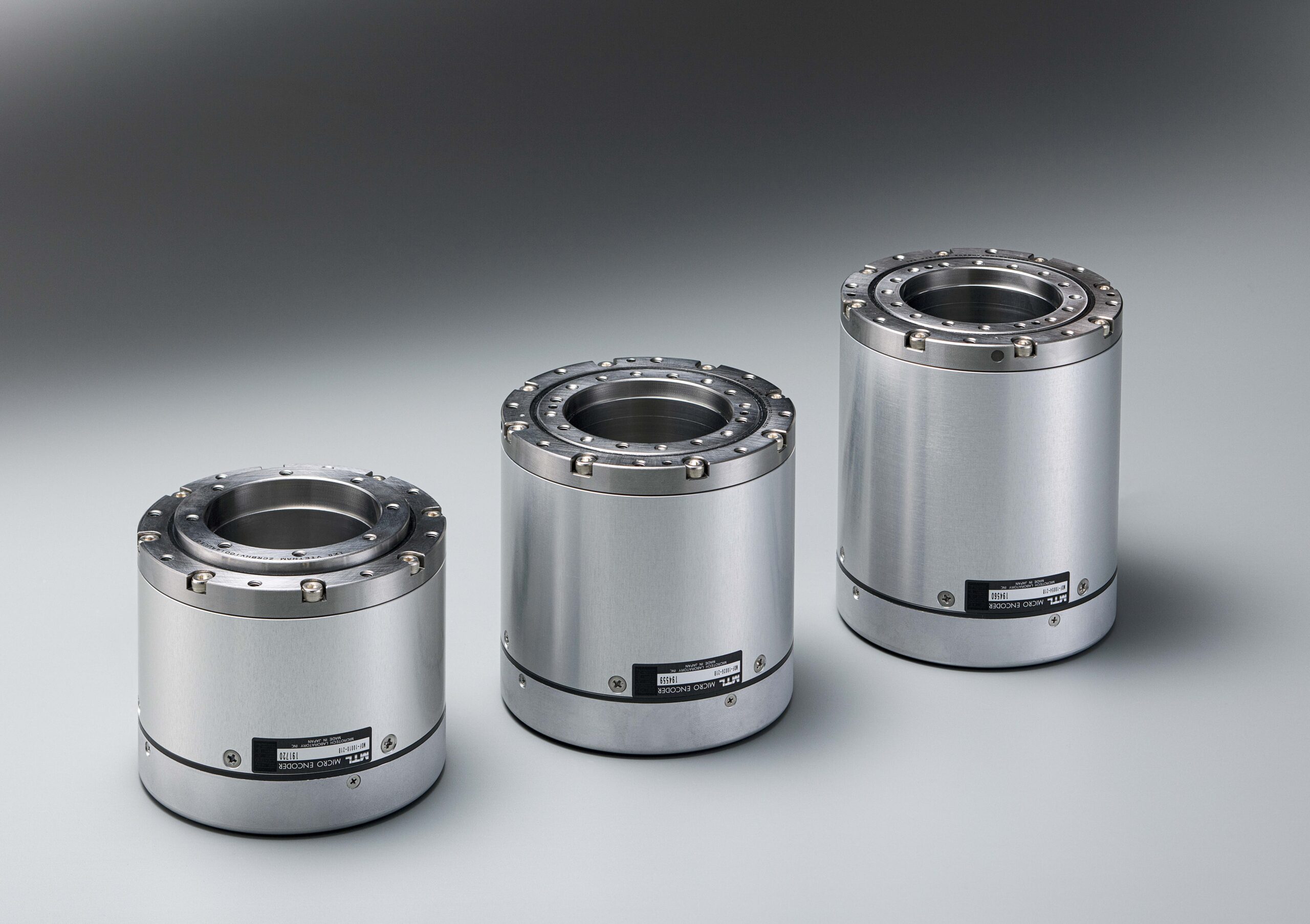
Delivers stage-level rotational accuracy and rigidity without mechanical transmission, ensuring stable feedback performance and high-precision positioning.
Upcoming MS, MB, and MZ series for compact rotary motion, process modules, and vacuum-compatible semiconductor equipment.
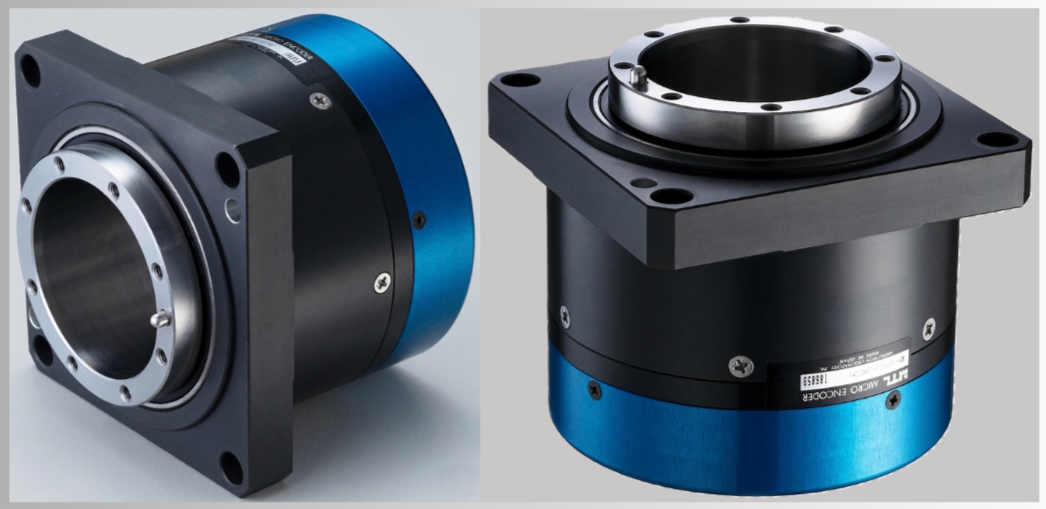
Focused on further size reduction while maintaining direct drive performance, enabling higher rotation speed in compact size.
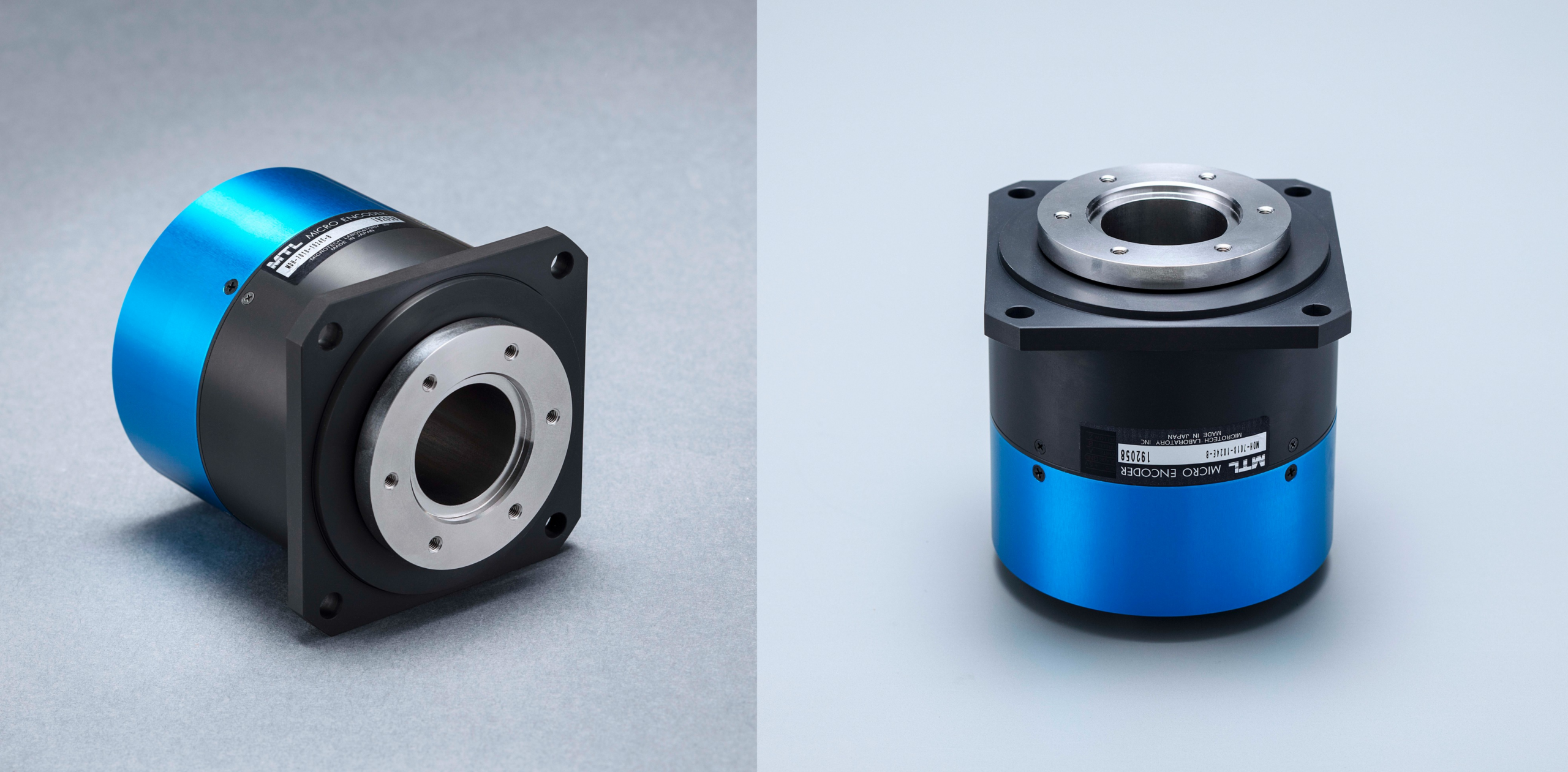
Optimized for process uniformity, stability and safety, supporting applications where rotation consistency directly impacts yield.
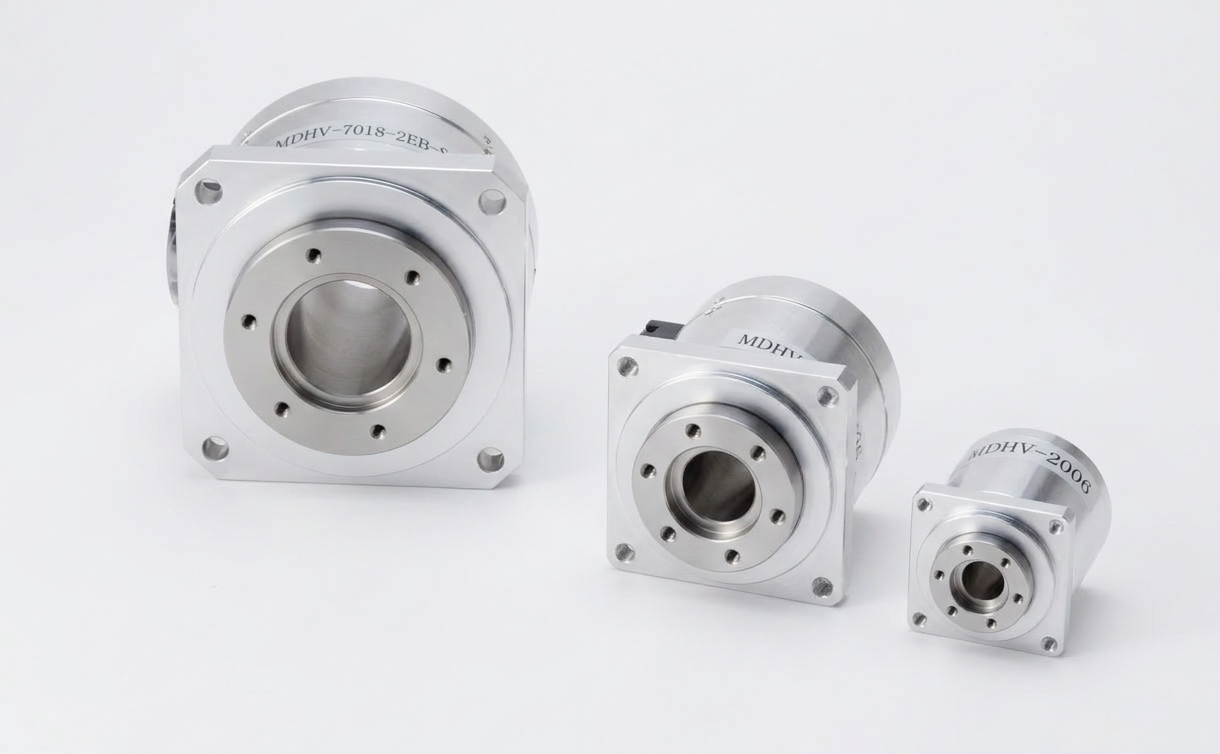
Designed for vacuum process modules requiring compact structure, clean operation, and stable precision motion.
Our Micro Direct Drive Motors are used in a wide range of precision equipment in Japan and overseas, including semiconductor systems, life science equipment, factory automation, inspection, and other advanced motion applications.
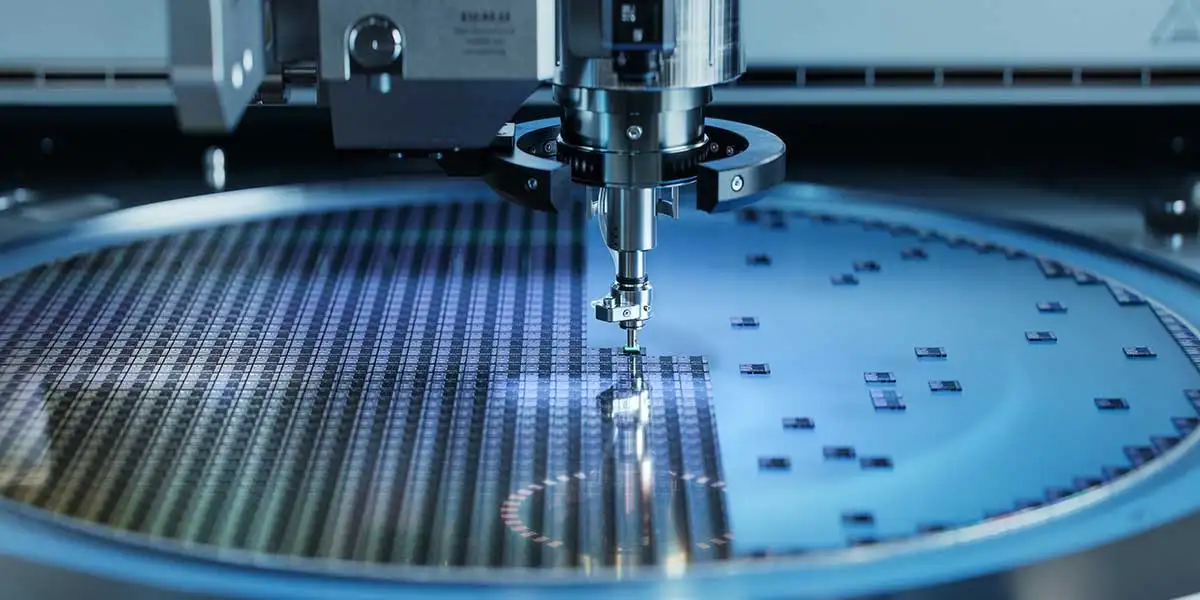
Backlash-free direct drive helps reduce mechanical transmission error, while the hollow shaft creates routing space for cables, air tubes, and vacuum lines inside compact semiconductor modules.
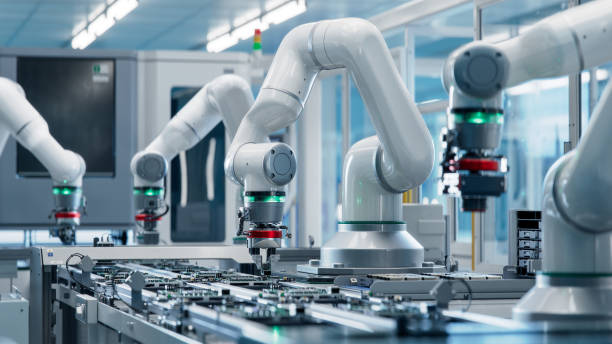
Direct drive improves response in compact wrists and transfer modules by reducing couplings, gears, and belts, which also helps keep the layout cleaner.
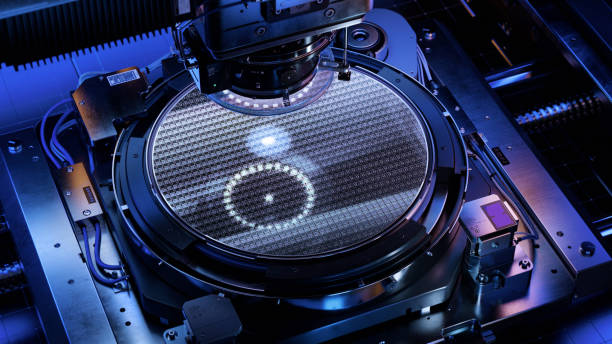
Inspection, optics, and metrology modules benefit from low speed stability, repeatable indexing, and fewer transmission-related errors that affect image or beam positioning.
Main models for compact semiconductor motion, wafer handling robots, aligner theta Axis, Index, rotary stage, inspection Axis, and precision automation. Use the CAD button on each product card to request files and a quick model-fit review.
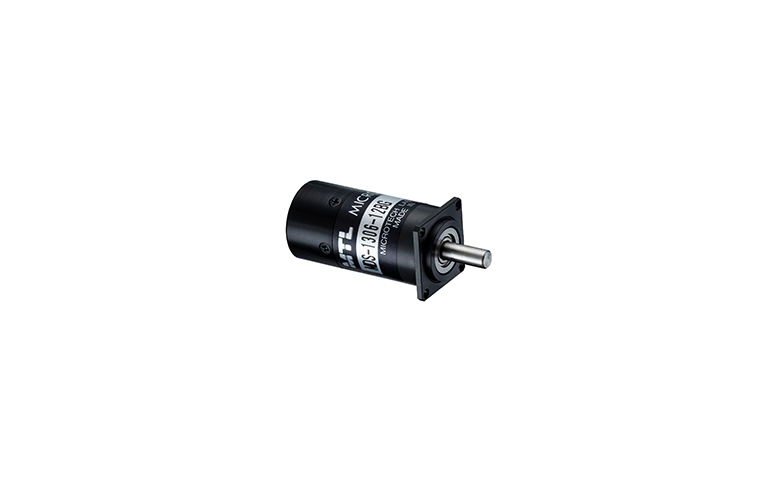
Compact direct drive for lightweight handling and tight end effector spaces.
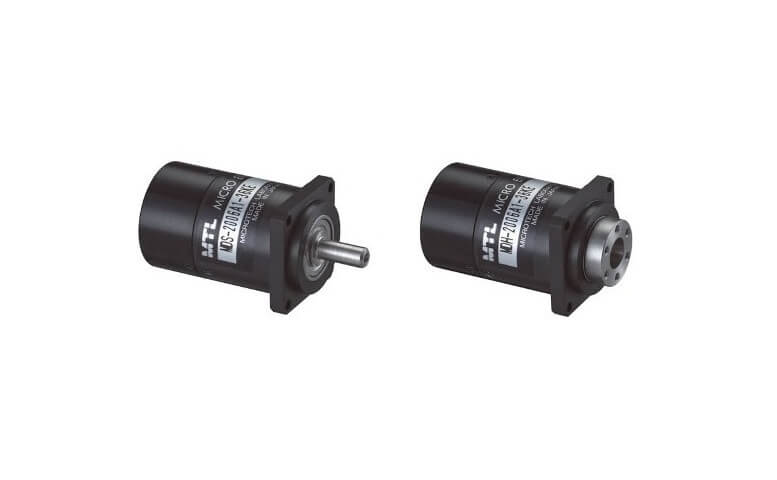
Compact hollow shaft option for clean routing and dense packaging.
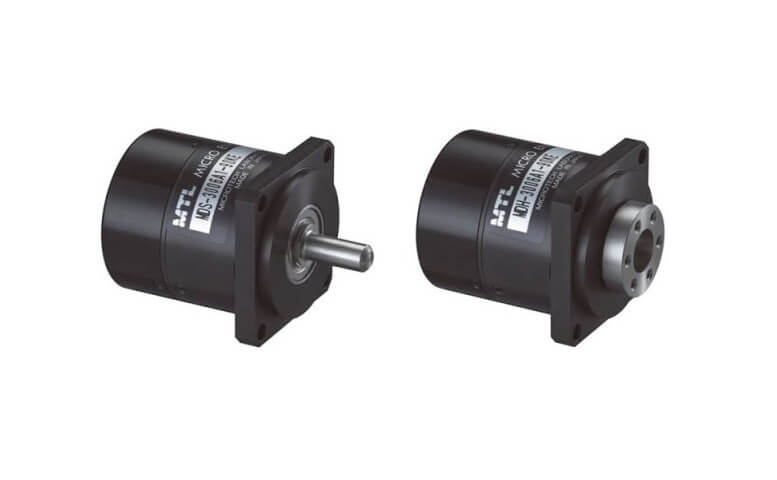
Smooth low speed control and stable stop behavior for precision modules.
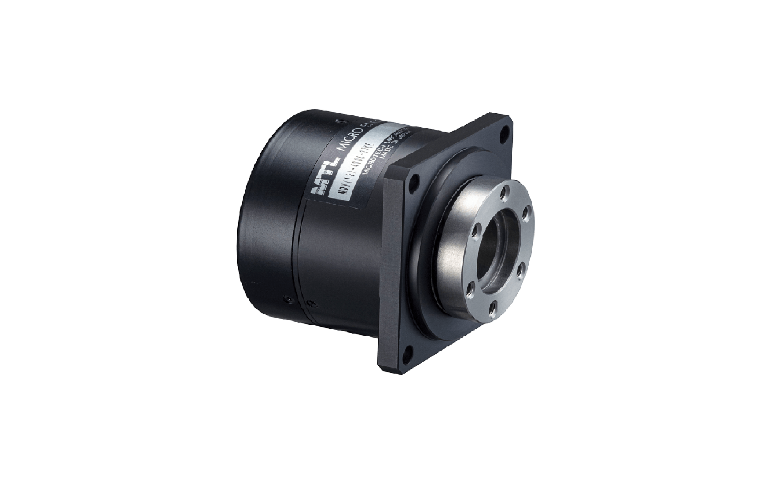
Large inner diameter for through routing and service access.
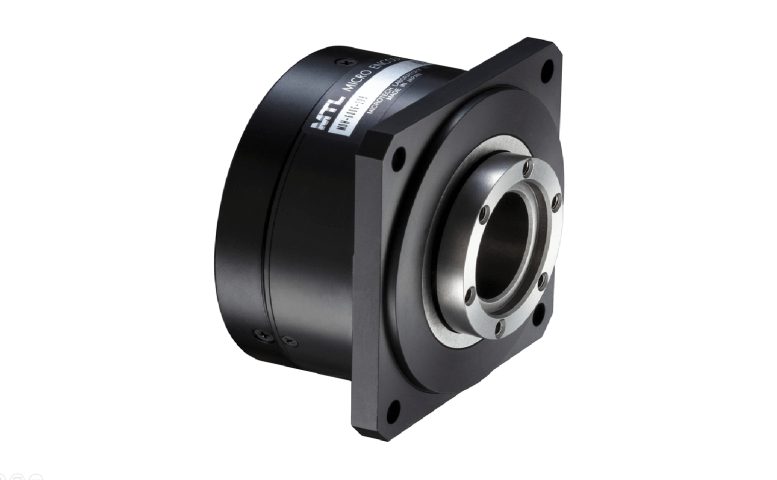
Large hollow shaft for joints and compact modules.
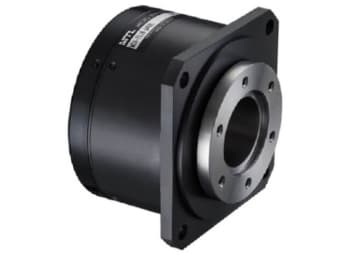
Direct drive for stage and joints where stable stop behavior is required.
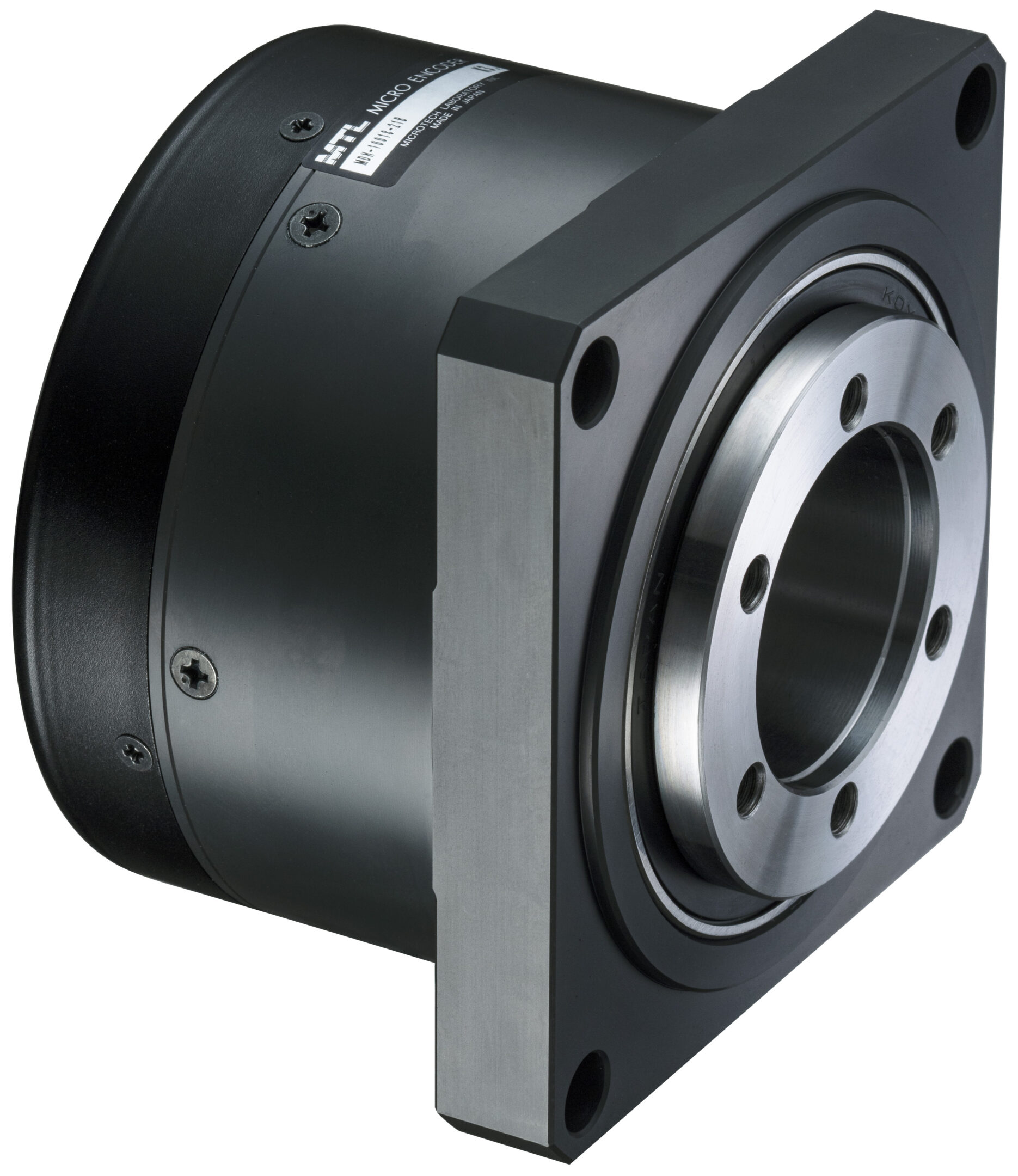
Higher torque option for larger Axis where backlash is not acceptable.
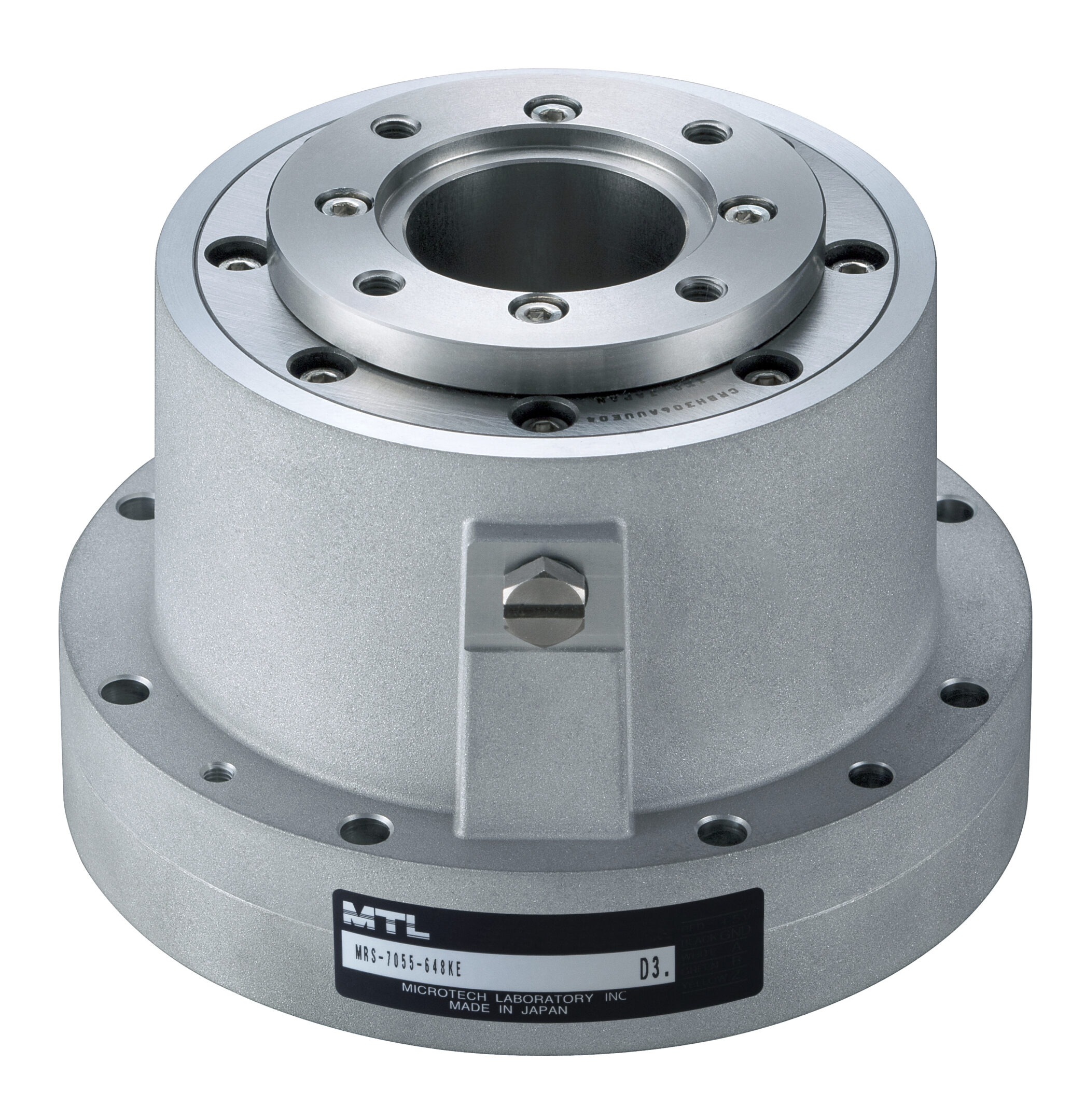
High precision Motor for rotary stage where feedback quality matters.
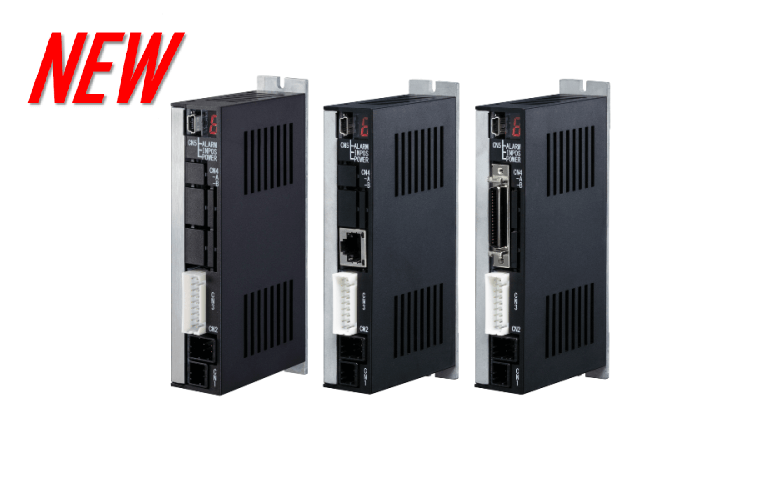
Driver optimized for Micro DD Motor performance, supports faster commissioning.
Selection support
Share target torque, speed, through-bore, routing, controller, and environment. MTL will recommend a practical Micro DD Motor or stage-oriented model for evaluation.
This overview shows where compact direct drive Motor fit across front-end and back-end semiconductor equipment, from wafer handling and aligners to dicing, packaging, optics, and vacuum rotary motion.
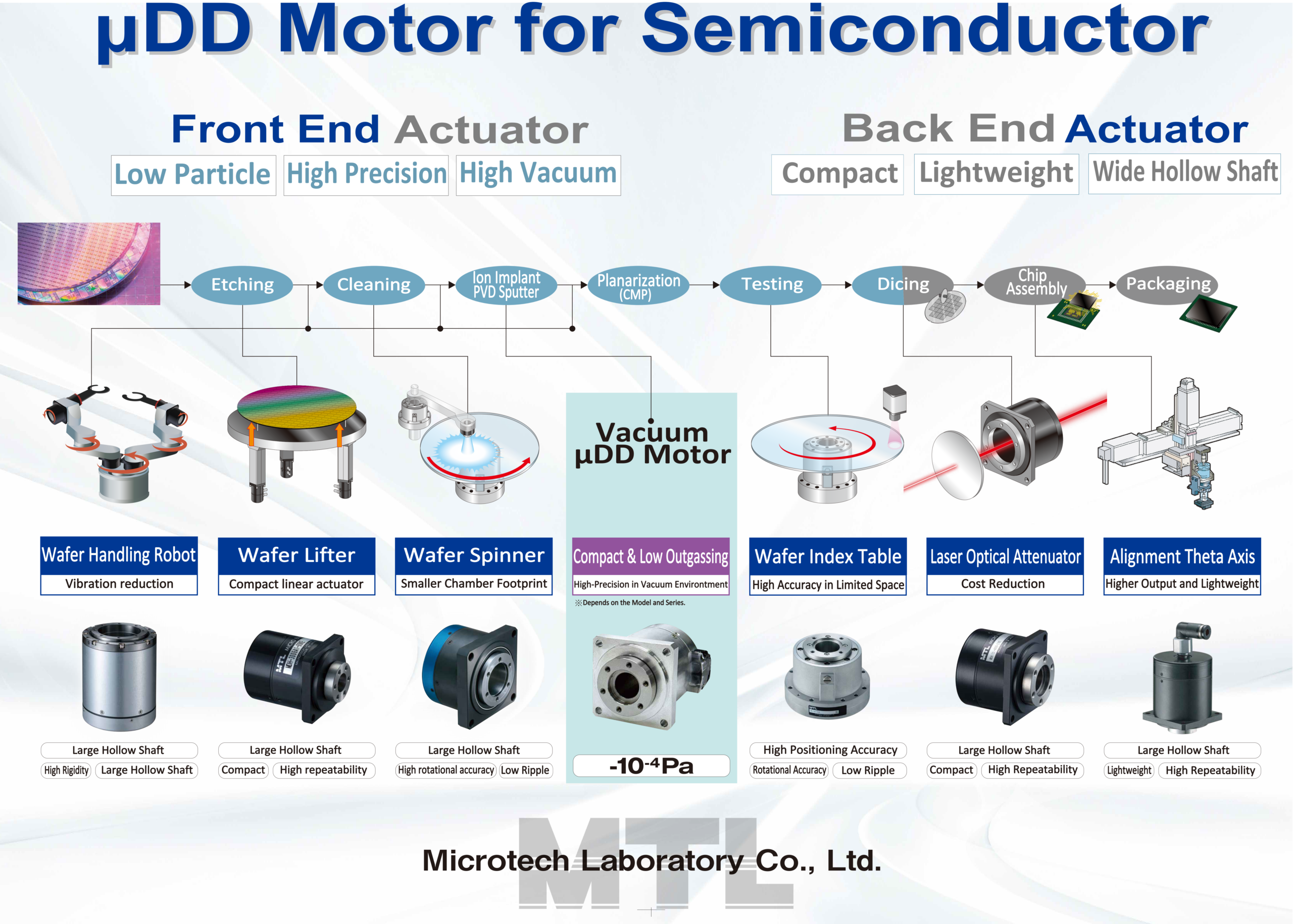
Examples on this map include wafer handling robots, wafer lifters, wafer spinners, wafer index tables, optical attenuators, alignment theta Axis, and vacuum rotary modules.
Motion requirements change by process, but compact direct drive is often evaluated wherever stable indexing, clean cable routing, and low maintenance are important.
In semiconductor equipment, rotary axis selection is usually driven by settling behavior, repeatability, cable routing, maintenance load, and module footprint, not by final accuracy alone. The points below are the reasons direct drive is often selected for wafer handling, aligner theta Axis, rotary stage, optics, inspection modules, and vacuum compatible rotary motion.
Direct drive removes reducer backlash and elastic lag from belts or couplings, which helps the axis stop cleanly before the next process step.
Useful for aligner theta Axis, inspection stage, optical modules, and metrology mechanisms that need smooth interpolation and repeatable stop position.
Through-routing for cables, air tubes, sensors, optics, and vacuum lines can simplify the rotary axis layout and reduce cable stress inside compact modules.
Replacing belts, pulleys, and gearboxes can reduce wear points and make the mechanism easier to package, service, and evaluate inside a real machine frame.
Backlash-free motion is useful for wafer transfer, rotary chucks, index tables, robot wrists, and inspection Axis where position repeatability matters every cycle.
Compact direct drive architecture is often easier to apply when the module must balance space, routing, reliability, maintenance, and motion quality at the same time.
Micro DD Motor is Microtech Laboratory’s compact direct drive servo Motor for high-precision motion in tight spaces. Gearless direct drive removes backlash and reduces wear points. A hollow shaft supports cable, air tube, vacuum line, and sensor routing through the axis, which is often critical in wafer handling robots, aligner theta stage, wafer Index, rotary chucks, optics, and vacuum modules.
Designed for practical semiconductor equipment integration.
Equipment builders usually compare these points first when reviewing a wafer handling axis, aligner theta stage, spinner, optics wheel, inspection axis, or vacuum rotary module.
A direct drive Motor generates torque directly on the load, without belts or reducers. This removes backlash and elastic behavior from transmission parts. In precision equipment, fewer transmission parts usually means faster settling, more stable repeatability, and less drift over long operation.
A hollow shaft Motor has a center through hole for routing cables, pneumatic lines, vacuum lines, sensors, and sometimes optics. In semiconductor tools, routing often becomes a mechanical reliability issue. Hollow routing reduces cable stress, simplifies assembly, and improves maintenance access.
Micro direct drive is a compact direct drive class designed for smaller Axis where space is limited. It is used when direct drive performance is needed, but the footprint of a conventional torque Motor is too large for the module.
Microtech Laboratory Co., Ltd. is a Japanese manufacturer specialized in rotary encoders and direct drive Motor. We design and manufacture in Japan with a focus on compact integration, tuning support, and stable supply for production equipment.
These are the points equipment builders usually confirm first when comparing a direct drive axis for wafer handling, aligners, rotary stage, chucks, inspection stations, and vacuum compatible modules.
Start with allowable outside diameter, overall height, mounting space, and surrounding hardware. In compact tools, packaging limits the shortlist first.
Confirm cable, air tube, vacuum line, sensor, or optical routing through the axis. This often determines whether a hollow shaft Motor is the right architecture.
For indexing, alignment, and inspection, the important question is not just torque. Check stop stability, settling time, and controllability near the target point.
Review encoder resolution, repeatability target, and mechanical rigidity together. Motion quality comes from the Motor, feedback, and structure as one system.
Consider cleanroom use, vacuum compatibility, routing stress, and expected maintenance access. Fewer transmission parts usually simplify service planning.
Confirm required interface, tuning workflow, and control architecture early, especially if the axis must integrate with an existing driver or synchronized motion system.
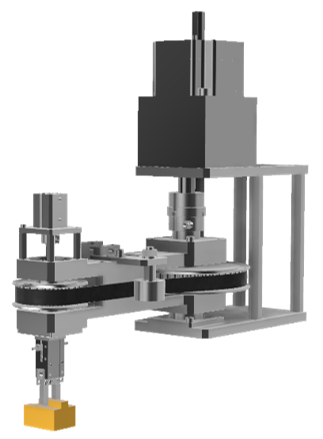
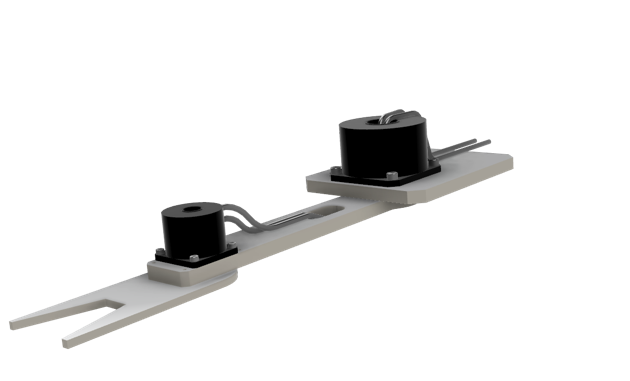
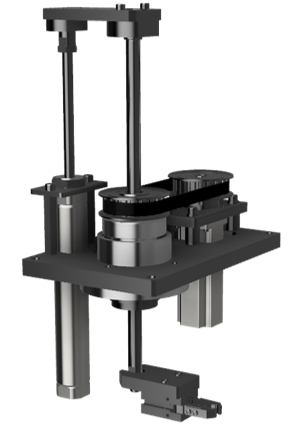
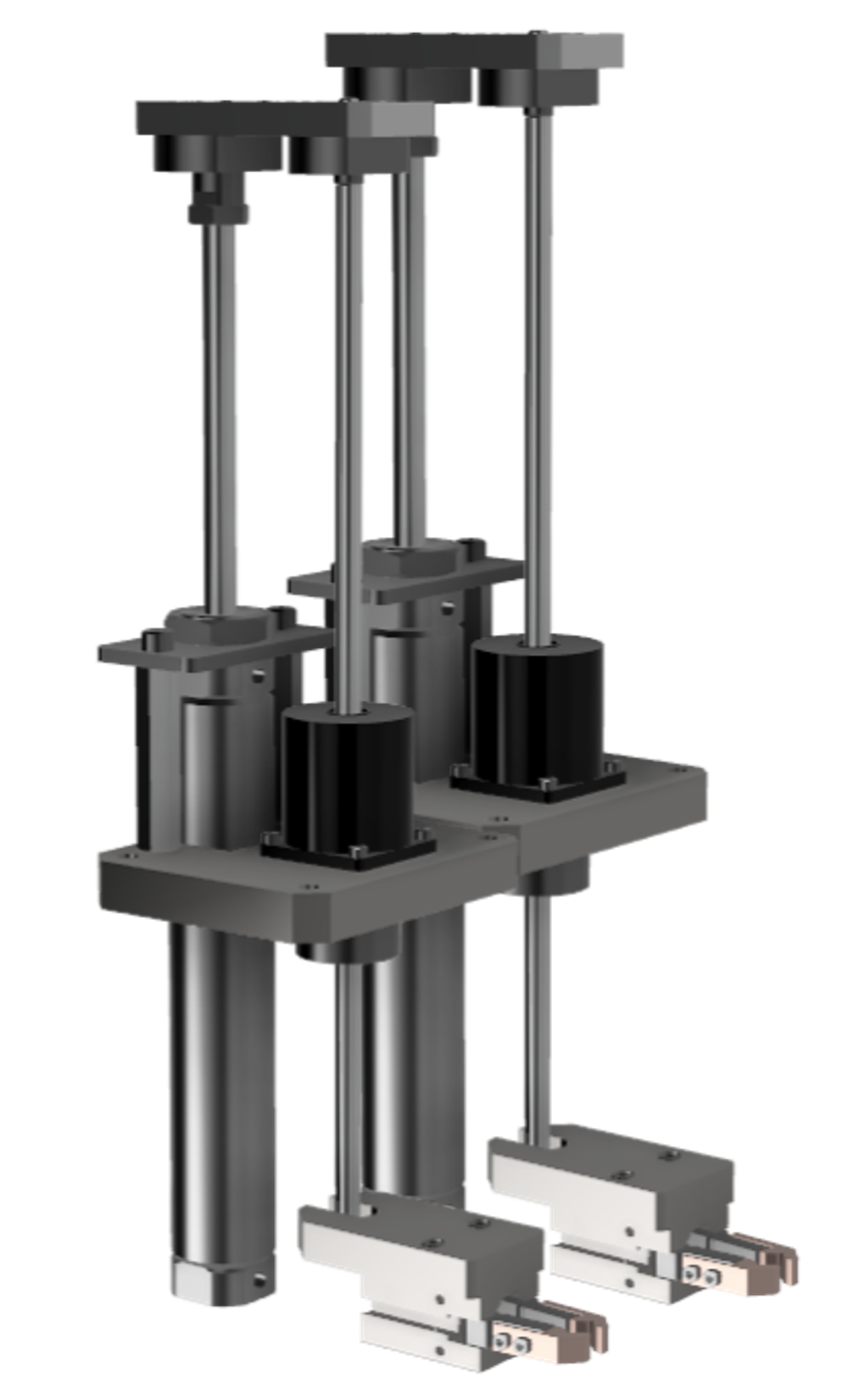
Direct drive removes common error sources that appear after long hours of production.
Representative module examples for semiconductor equipment, robotics, optics, and inspection systems. Each example below highlights why engineers choose a compact direct drive Motor instead of a belt, coupling, or geared mechanism.
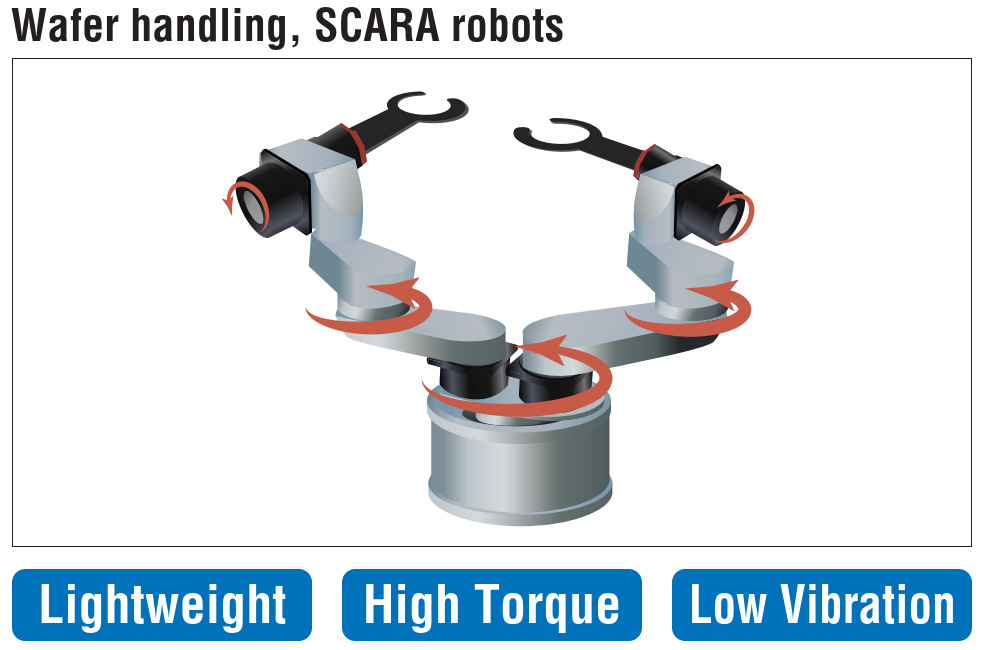
Rotary joint for wafer transfer arms, wrists, and theta Axis. It needs stable stop behavior and reliable routing in compact space.
Removes backlash and elastic lag from belts or reducers. Improves repeatability and simplifies routing through the axis.
Theta axis used to align wafer orientation before process or inspection. It often requires stable low speed control and clean stop behavior.
Cleaner interpolation at low speed and more consistent stop behavior. Reduced backlash improves repeatability in frequent indexing.
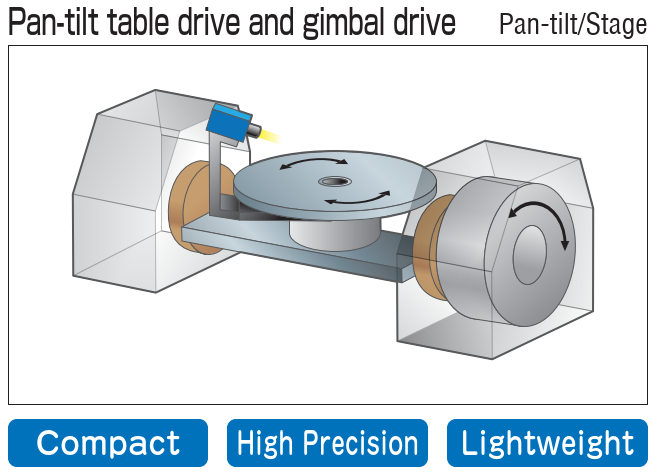
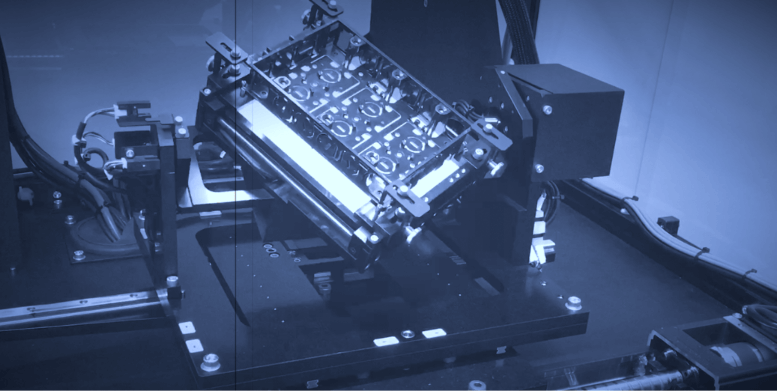
Optical alignment and measurement stage that require stable stop position, smooth low speed motion, and predictable behavior over long operation.
Eliminates backlash and reduces error sources that can shift over time. Helps improve repeatability and low speed control.
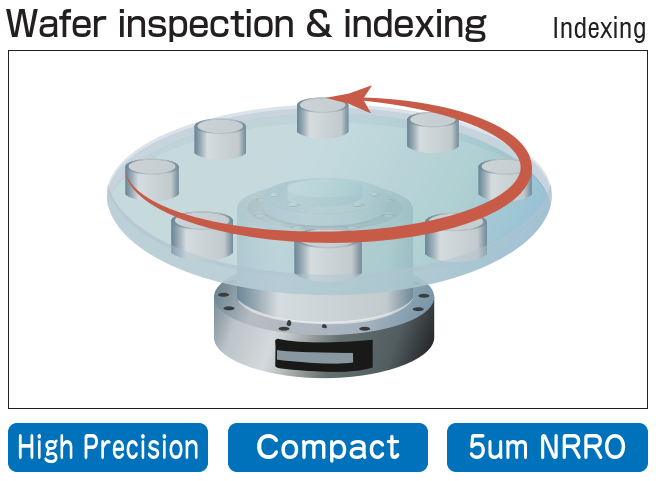
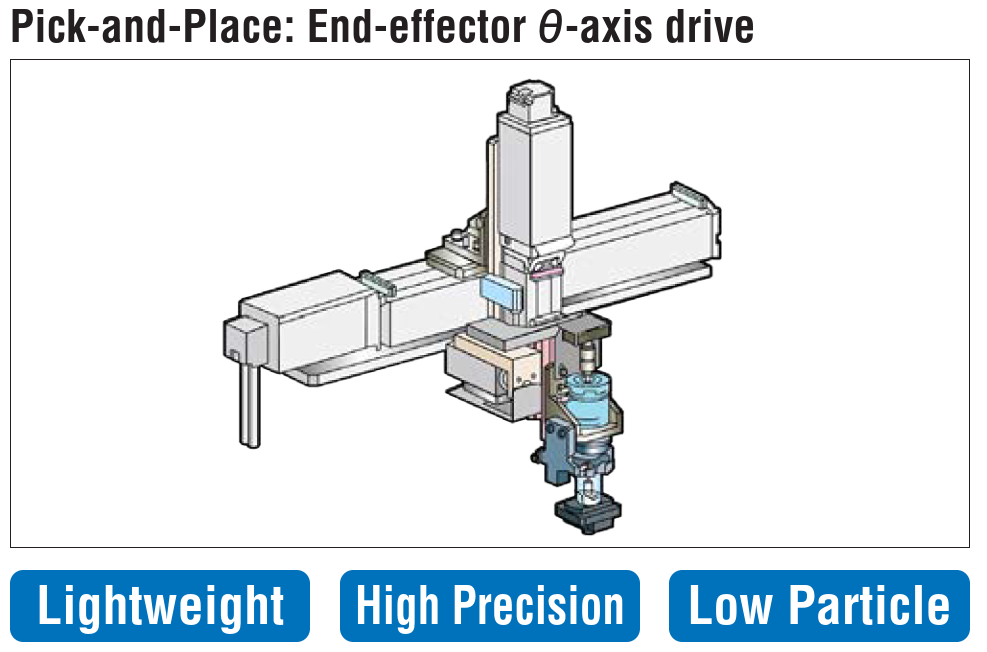
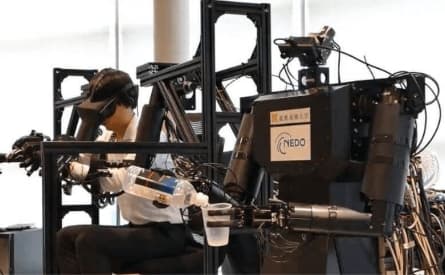
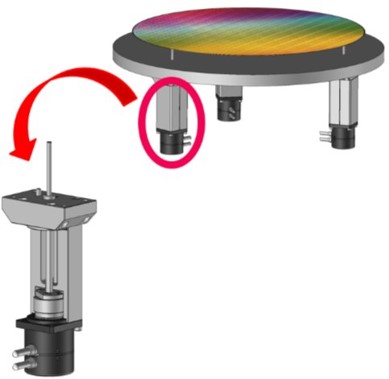
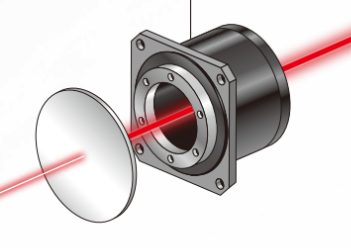
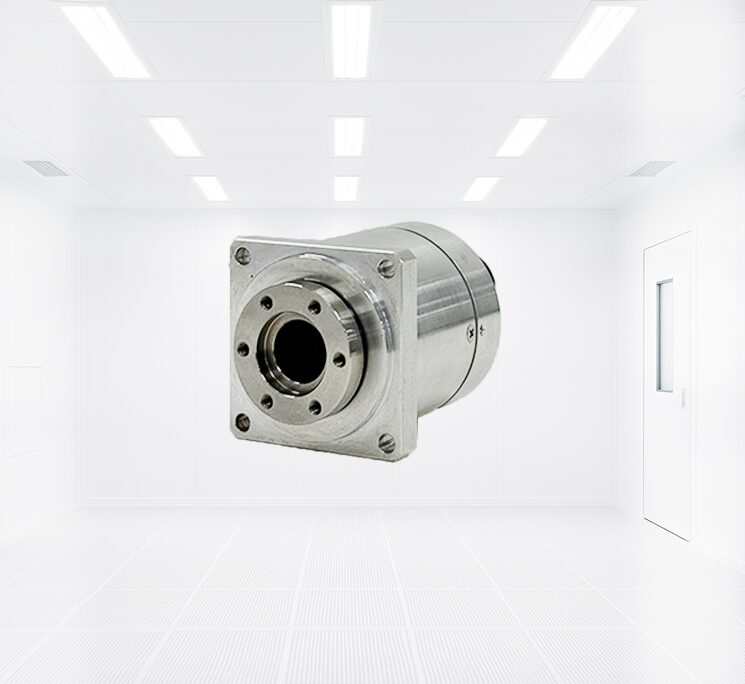
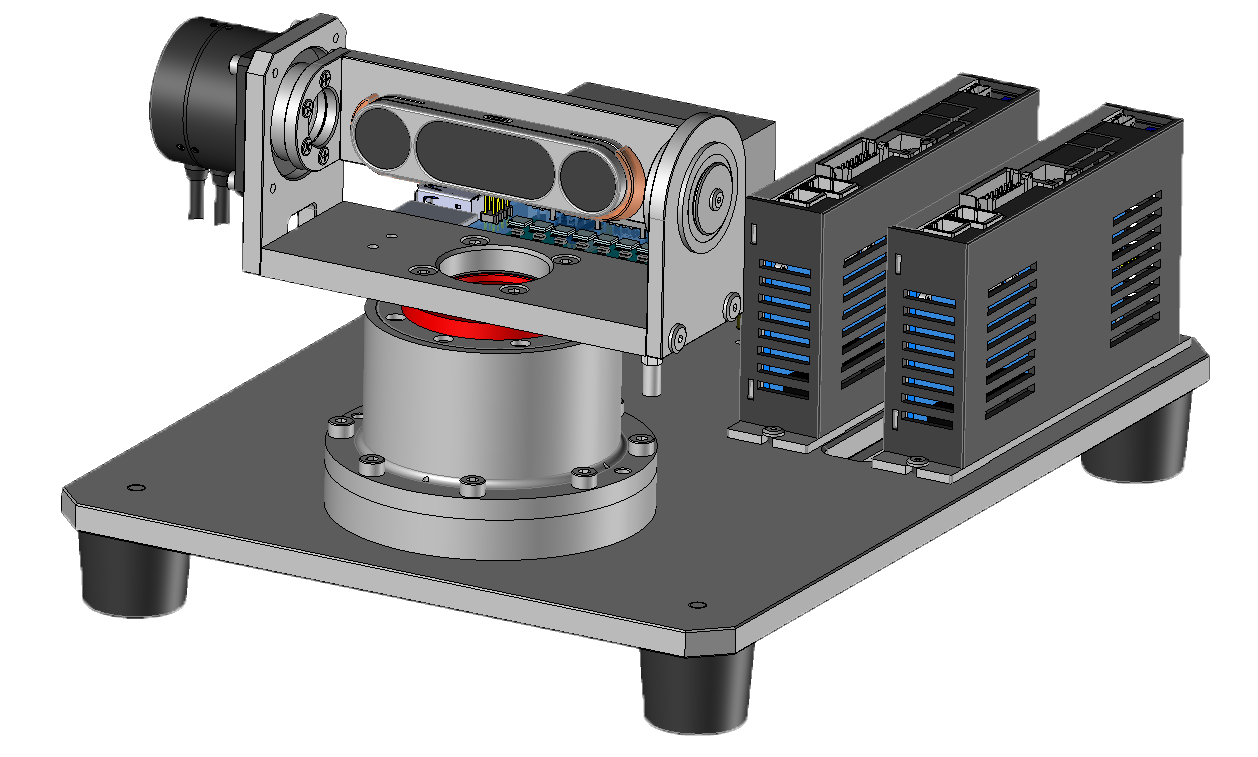
Examples below focus on front-end semiconductor modules where a compact MTL direct drive Motor is useful for compact packaging, stable stop behavior, routing, and repeatable rotary motion.
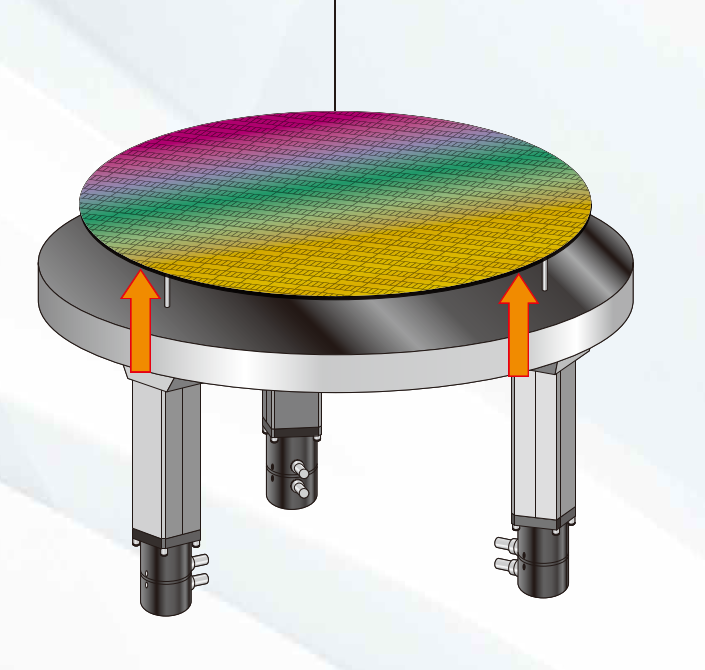
Recommended Product: MDH-60, MDH-70, or MRS-70 class, depending on outer diameter, torque, and through-bore requirements.
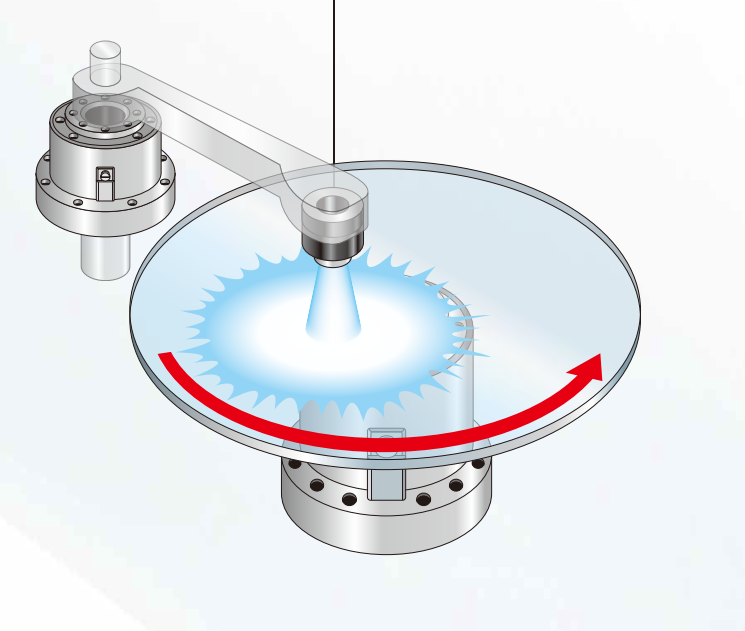
Recommended Product: MDH-60 or MDH-70 class for compact hollow-shaft rotary joints where routing and packaging are both critical.
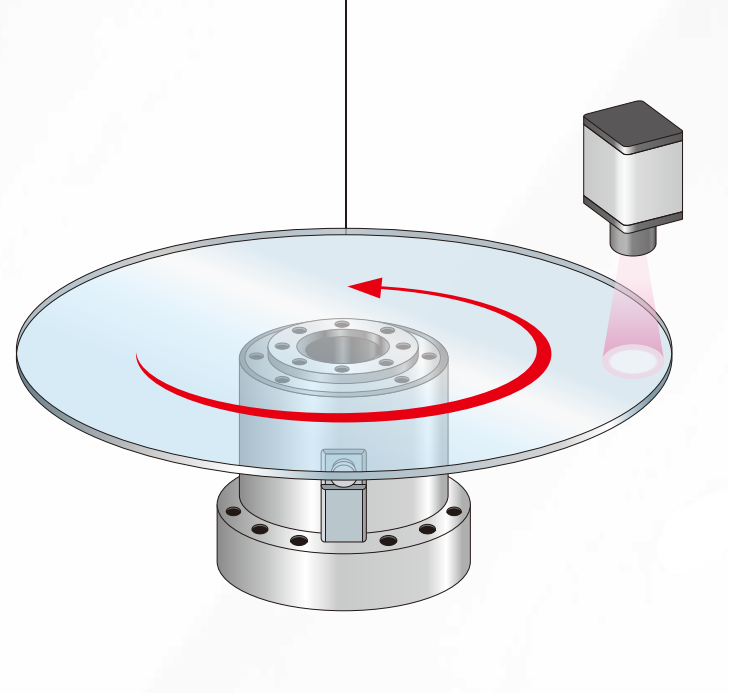
Recommended Product: MRS-70 or MDH-100 class when higher stiffness, repeatability, or stage-side torque margin is required.
Application support
For wafer handling, aligner theta Axis, optical attenuators, rotary chucks, inspection stage, and vacuum rotary modules, MTL will help selection support.
Micro direct drive motor is designed for compact, high precision modules where repeatability, routing, and service access matter in production tools.

No backlash
Improves repeatability and reduces direction-change hysteresis.

High rigidity
Supports stable stop behavior and improves tuning margin for fast indexing.
Encoder-centric precision
Stable feedback quality supports fine positioning and smooth interpolation.

Hollow shaft routing
Reduces cable and tube stress, supports cleaner layout and service access.

High torque density
Helps keep modules compact while maintaining torque margin at low speed.

Compact footprint
Useful when conventional torque Motor do not fit in the available envelope.

Lightweight design
Supports moving Axis and wrists where mass impacts response and vibration.
Back drivability support
Useful for robot joints and interaction Axis where controllability matters.
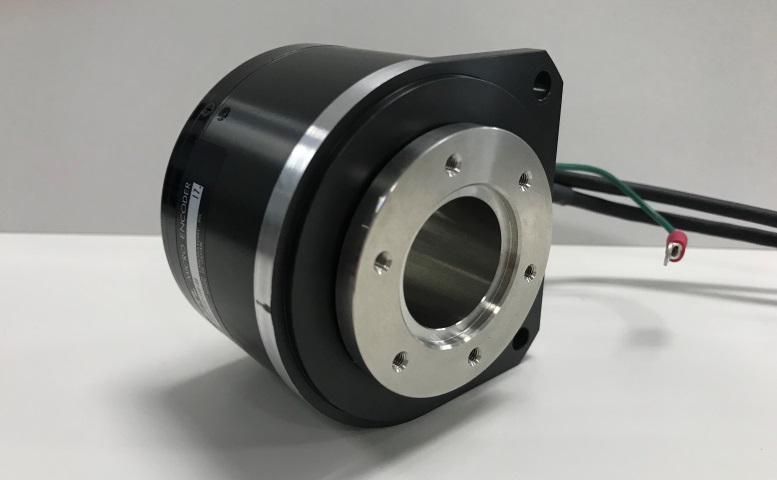
We can support mechanical interface, routing, and control related customization for real equipment constraints.
 Mechanical
Mount interface customization for flange dimensions, case structure, and integration compatibility.
A compact direct drive Motor often reduces the number of coupling parts around the rotary axis, making interface design cleaner.
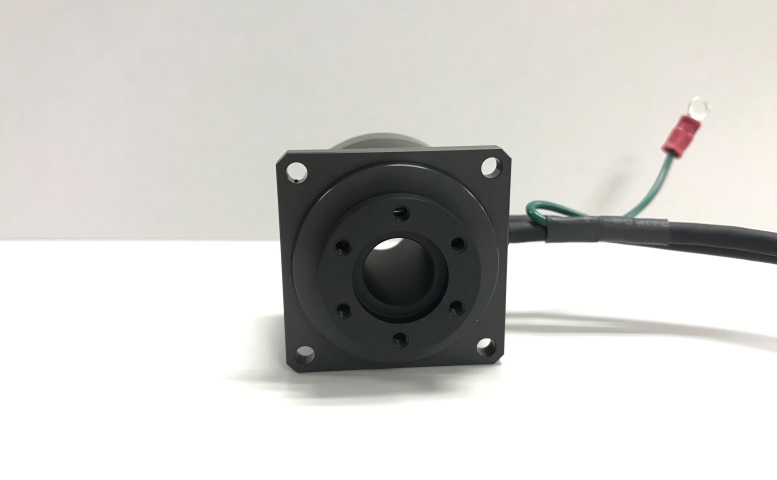 Routing
Through hole size and routing optimization for cables, optics, laser, pneumatic and vacuum lines.
Wide hollow routing is one of the clearest reasons to select Micro DD Motor when cable bending and serviceability limit conventional designs.
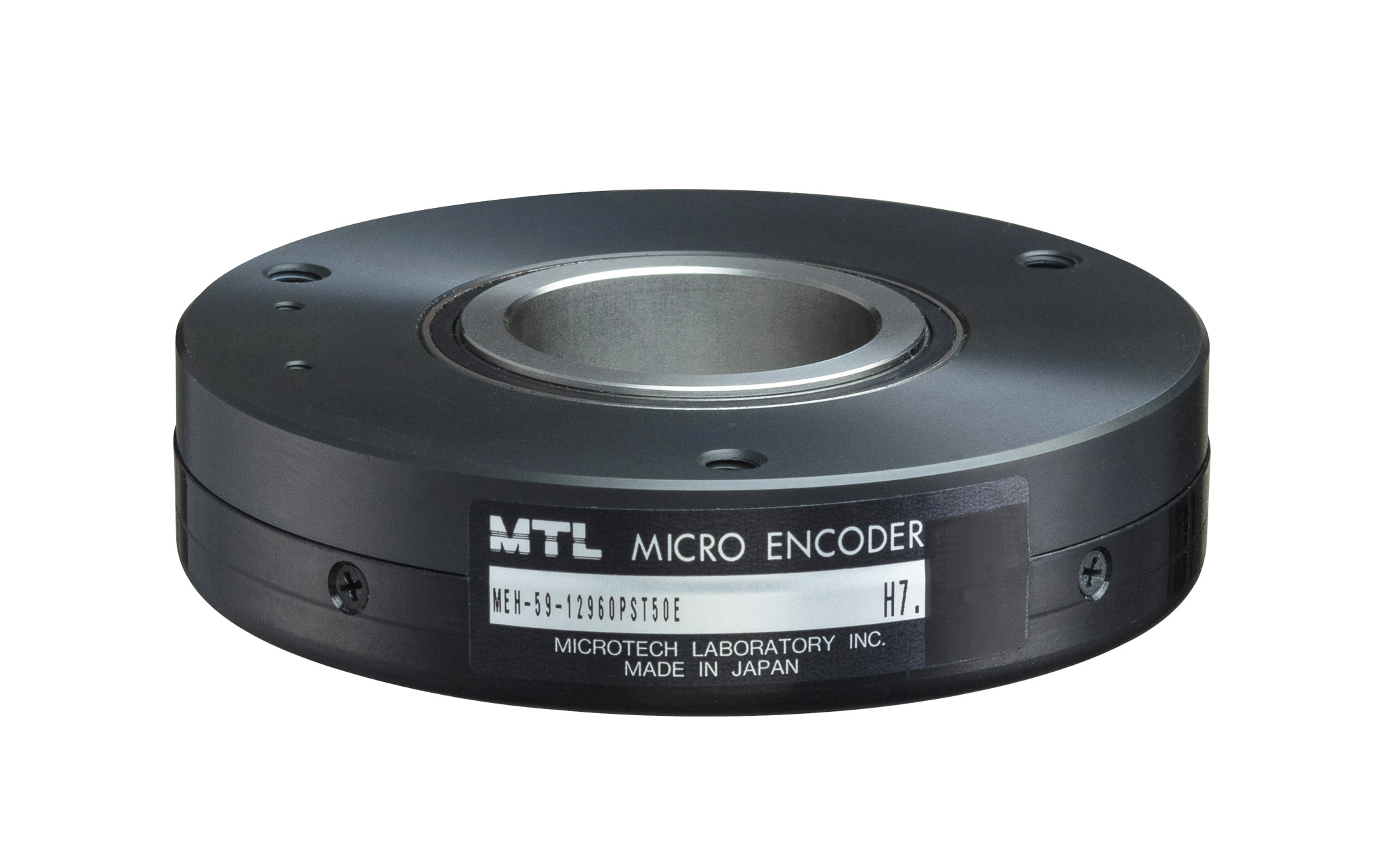 Control
Encoder feedback and tuning support for tighter repeatability and smoother interpolation.
Direct drive plus encoder tuning support is useful when inspection or handling Axis need clean motion at low speed with reliable repeatability.
From first feasibility check to tuning and production launch, MTL supports Motor selection, driver matching, and application-specific setup for semiconductor equipment.
We help define a realistic starting point for your axis, load condition, routing needs, and mounting constraints.
Support focused on settling, stability, repeatability, and smooth motion in your actual machine structure.
Support continues after shipment to help keep line operation stable during evaluation and production use.


Common questions about evaluation, integration, tuning, and production use.
A direct drive Motor outputs torque directly to the load without a gearbox. This removes backlash and reduces hysteresis caused by mechanical transmission parts. In semiconductor rotary Axis, this often improves settling behavior and repeatability, especially with frequent indexing and direction changes.
Settling time directly affects tact time. Even if final accuracy is good, slow settling reduces throughput. Direct drive can reduce elastic lag from belts and reducers, helping the axis reach a stable position faster when the structure and tuning are matched.
In many modules, routing becomes a reliability and maintenance access issue. A through bore path reduces repeated bending and torsion on cables and tubes, reduces interference around rotating joints, and supports a more compact layout.
Yes, depending on Motor selection and tuning. Low speed stability depends on torque characteristics, encoder feedback resolution, drive control, and mechanical resonance. Share your speed range and stability target and we will recommend a suitable configuration.
Please share your environment requirements (cleanroom class, vacuum level, outgassing constraints, allowable materials, heat constraints). We will confirm feasibility and propose the most realistic configuration for evaluation.
Yes. Depending on the driver and your control architecture, Micro DD Motor can be integrated into EtherCAT and PLC based systems.
Yes. We provide baseline parameter guidance and advanced tuning support focused on step response, vibration suppression, and settling optimization in your machine structure.
Yes. We support evaluation, pilot builds, and mass production. Share your schedule and expected volume so we can align lead time and supply planning. There is no MOQ and 1 unit order is totally acceptable.
At Microtech Laboratory Co., Ltd., we develop compact motion solutions that improve equipment value and enable designs that are difficult with conventional mechanisms. With precision assembly technology, we focus on development, manufacturing, and sales of ultra-compact products that support stable, repeatable motion in real machines.

We maintain a production system that supports high quality and stable supply. The specifications we provide are guaranteed values, including safety margins for reliable operation. In addition, our components are sourced from Japan, supporting a stable supply chain and consistent quality.

During design, we verify target values and feasibility to balance quality and function. Our manufacturing system reflects this approach, delivering products that meet equipment requirements in real production environments.

Our products undergo testing under a quality assurance system. If any defects arise, we offer a free replacement, providing customers with peace of mind.

For this landing page, a compact trust section works better than a long company data table. It keeps focus on evaluation, engineering support, and contact.
Design, manufacturing, and support are handled in Japan for precision motion applications.
Long manufacturing history in rotary encoders and direct drive Motor related motion products.
MTL reviews module constraints such as outer diameter, inner diameter, torque, settling, routing, and environment.
Direct communication for overseas customers about wafer handling, pre-aligners, inspection, and rotary motion.
For pricing, lead time, and technical review, send your module details. We will support selection and next-step discussion.

Overseas Sales Engineer
Company: Microtech Laboratory Co., Ltd.
Contact route: Please use the Contact form or LinkedIn for the fastest response.
Include your module type, move angle, cycle time, speed, acceleration, inertia, through-bore requirement, and environment if available.